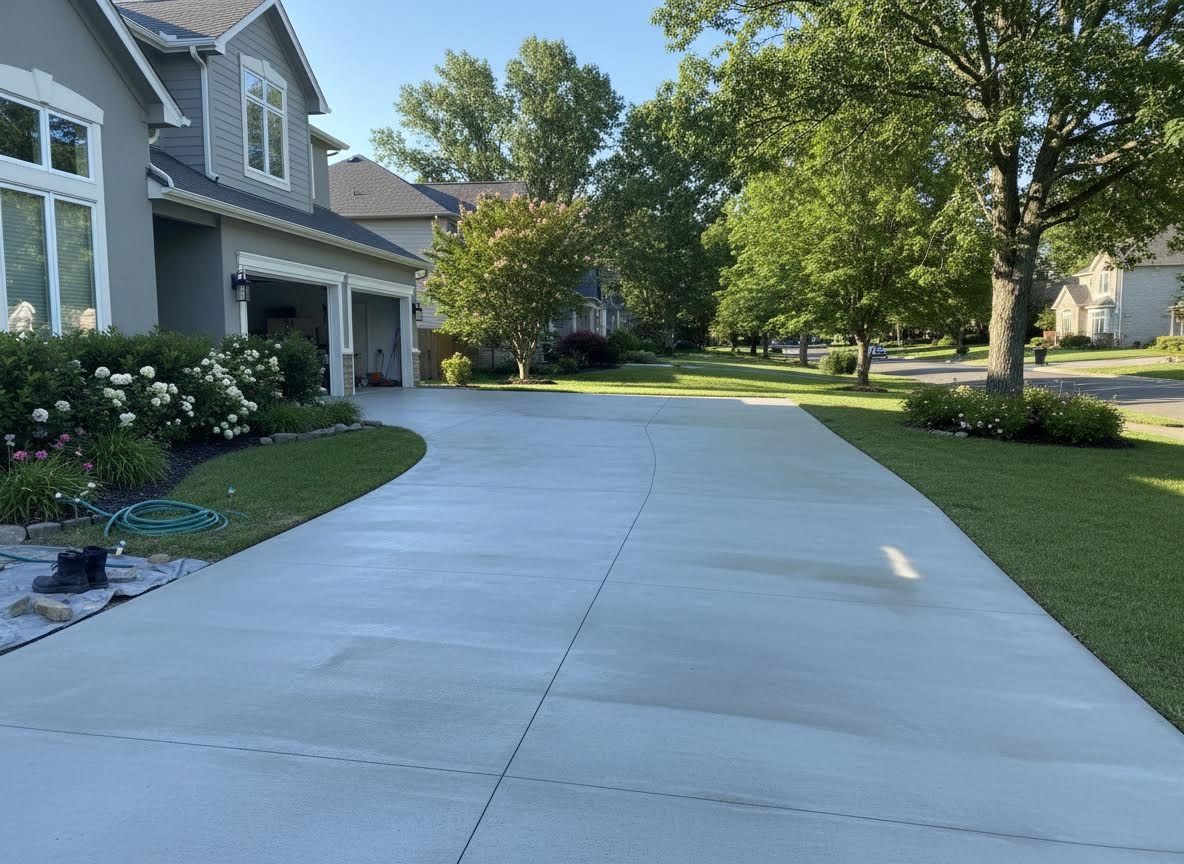
Cracked concrete surfaces, whether on your driveway, patio, or sidewalk, are a common sight for many homeowners and often present a challenging dilemma: should you repair the damage or opt for a full replacement? KLM Construction is dedicated to helping homeowners navigate these tough decisions with transparency and expert guidance, ensuring lasting results that protect your investment. This blog post explores the factors to consider, empowering you to make an informed decision for your Rochester home.
Assessing the Severity of Your Concrete Cracks
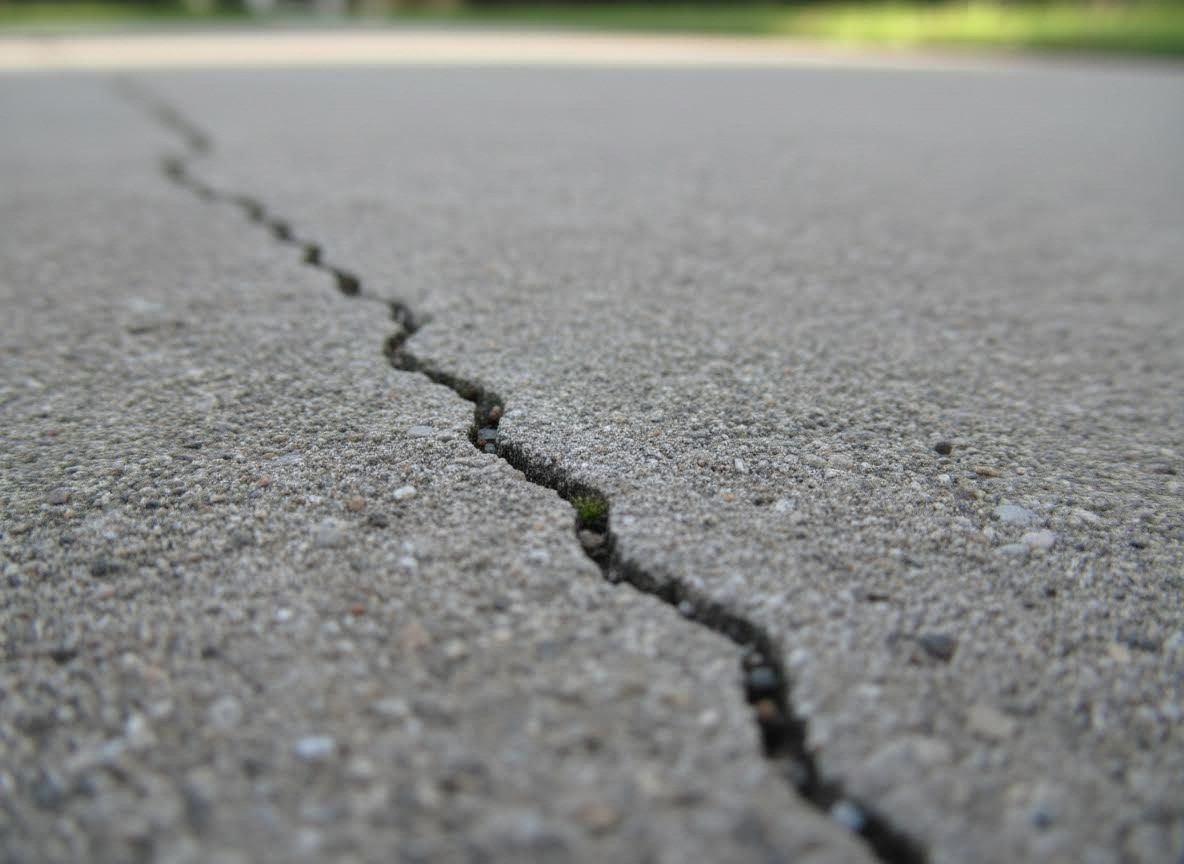
Not all cracks are created equal, and understanding their nature is the first step in determining the best course of action. Hairline cracks, often shallow and narrow, can be cosmetic and might only require minor repair to prevent further deterioration from water intrusion. However, wider cracks, those that are deep, or ones that show significant displacement (where one side is higher than the other) often indicate more serious structural issues. These deeper problems could be caused by poor soil compaction, freeze-thaw cycles, or heavy loads, and they can compromise the integrity of the entire slab. It is important to distinguish between surface-level imperfections and foundational problems.
When Concrete Repair is a Smart Choice
For many types of concrete damage, repair can be a highly effective and cost-efficient solution. Minor cracks and spalling (surface flaking) can often be addressed with high-quality concrete sealants, patching compounds, or resurfacing products. These methods can restore the concrete's appearance, prevent water from seeping into the sub-base (which can exacerbate cracking), and extend the lifespan of the existing slab. Repair is particularly suitable for newer concrete with localized damage, or when you are looking for a quick and budget-friendly fix to improve aesthetics and prevent minor issues from becoming major ones.
Understanding When Full Replacement Becomes Necessary
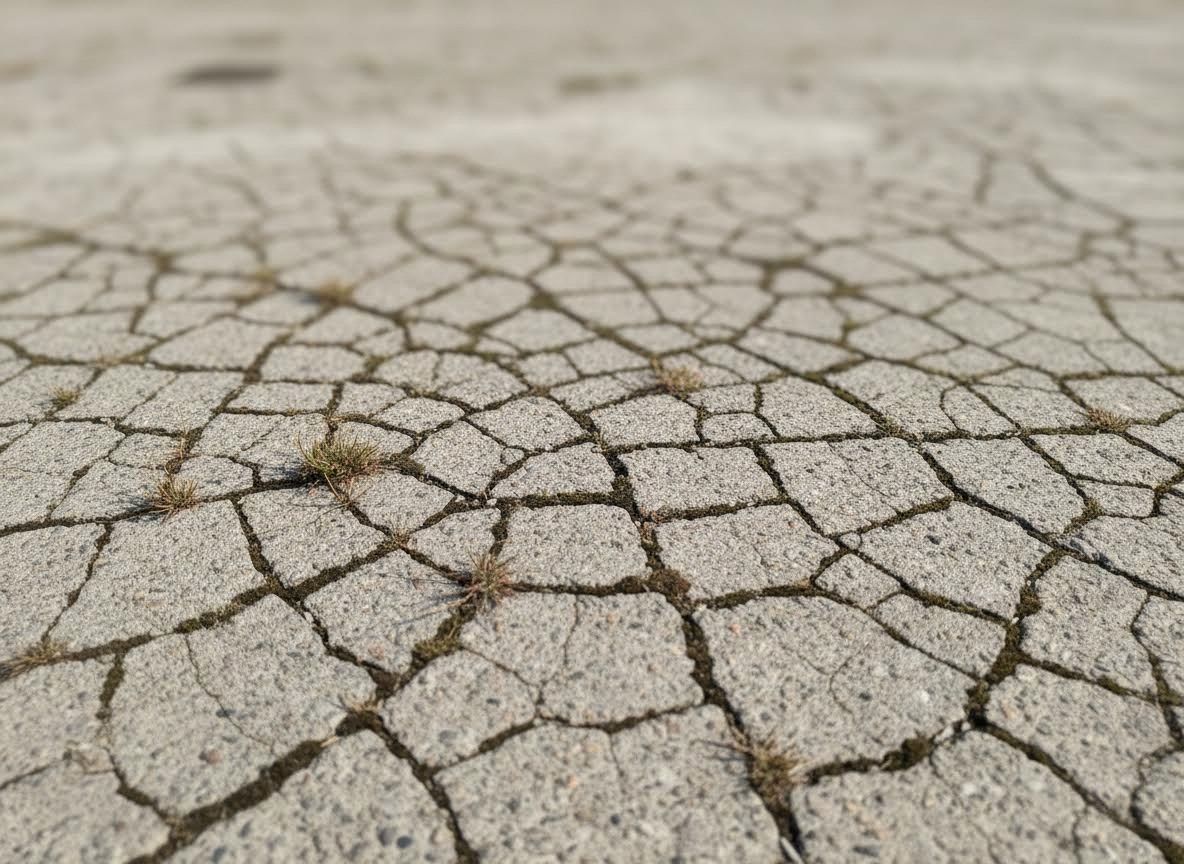
While repairs are often viable, there are times when a complete concrete replacement is the only reliable option. If your concrete is extensively cracked, severely spalled, or shows significant sinking and unevenness, repairs might be temporary or simply not cost-effective in the long run. These issues often indicate an unstable sub-base or underlying problems that cannot be fixed by surface treatments alone.
Key Factors to Guide Your Decision
Several critical factors should influence your repair-versus-replace decision. First, consider the cost: repairs are generally less expensive upfront, but a series of repeated repairs can eventually exceed the cost of a replacement. Second, think about the age of your concrete: older concrete may have widespread underlying issues that make repair futile. Third, assess the aesthetic impact: do you want a perfectly smooth, unblemished surface, or are you comfortable with the appearance of a repaired area? Finally, and perhaps most importantly, evaluate the underlying cause of the damage. If the root cause, such as poor drainage or an unstable foundation, is not addressed, new cracks will likely appear regardless of whether you repair or replace.
Navigating the choice between repairing and replacing cracked concrete can be complex, but by carefully assessing the damage and understanding the underlying causes, homeowners can make a confident and cost-effective decision. Whether your project involves a simple patch for a patio or a complete overhaul of a failing driveway, an informed approach ensures lasting quality. For dependable advice and professional execution on all your concrete needs, reach out to an expert like KLM, your premier Rochester general contractor.