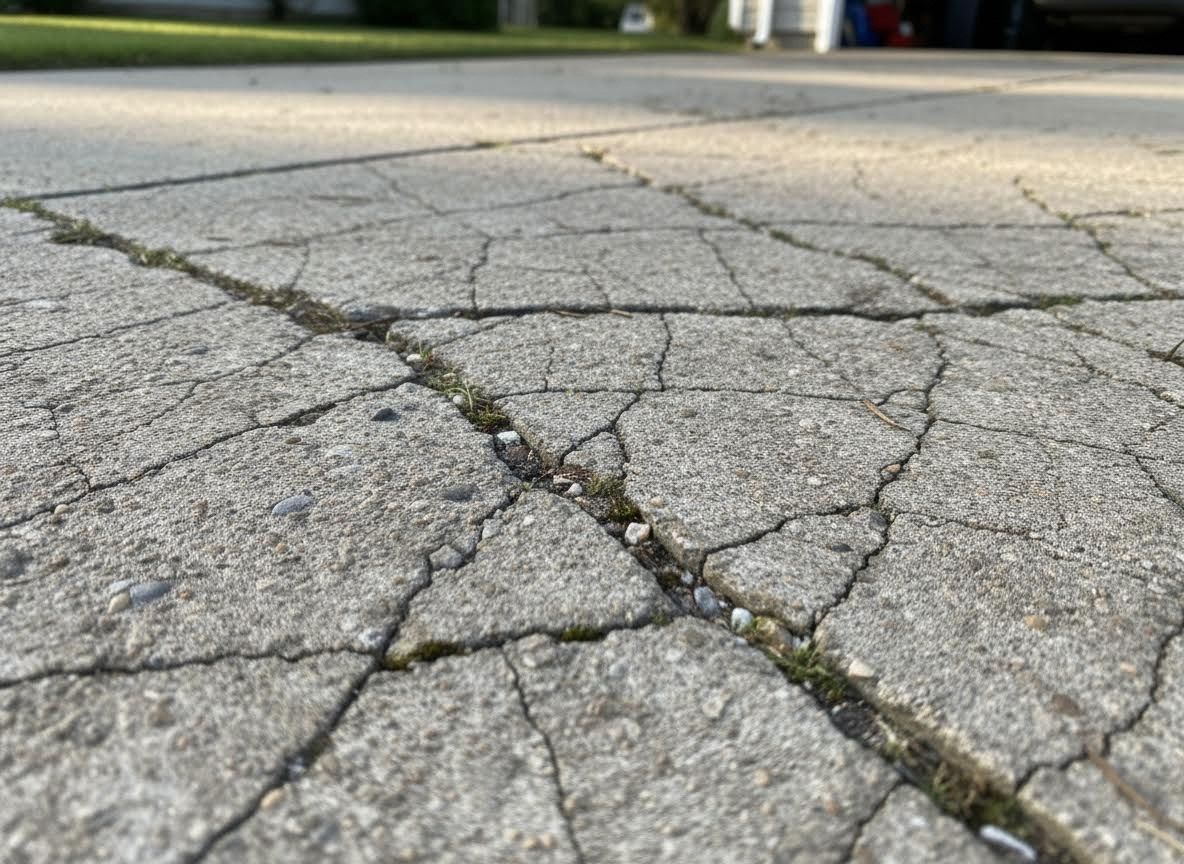
Your driveway is more than just a path to your garage; it's a significant part of your home's curb appeal, functionality, and safety. Over time, even the most robust concrete can show signs of wear and tear, making it difficult to determine whether a simple repair will suffice or if a full replacement is necessary.
At KLM Construction, serving Rochester and beyond with premier concrete solutions, we understand these concerns and are here to help Minnesota homeowners identify the crucial indicators that suggest your concrete driveway has reached the end of its life, signaling that it might be time for a complete overhaul rather than continued patch-ups.
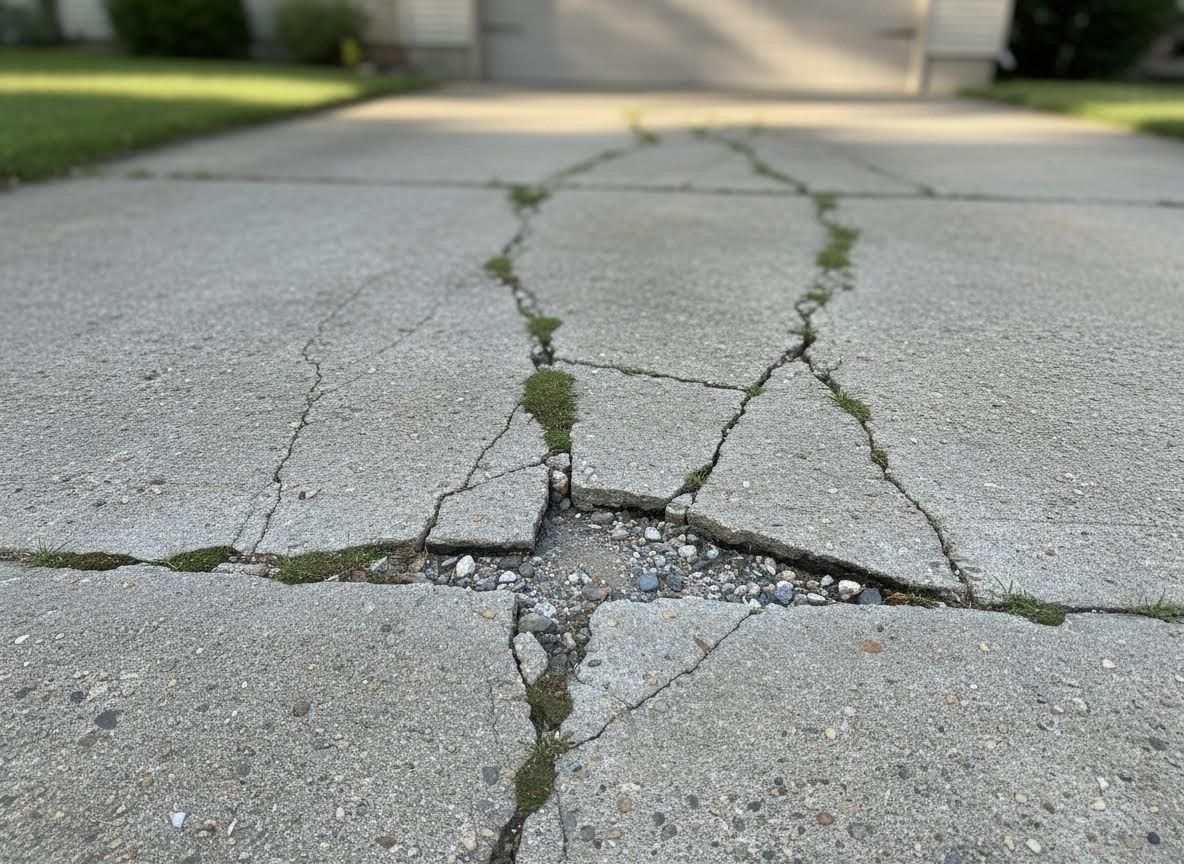
Deep and Widespread Cracking
While minor hairline cracks are often a normal part of concrete aging and can be addressed with simple sealing, deep and widespread cracking is a clear red flag. These aren't just surface imperfections; they indicate structural compromise. Cracks that are wide, long, interconnected, or arranged in a spiderweb pattern often indicate issues with the sub-base, improper installation, or significant freeze-thaw damage. When your cracked driveway exhibits these severe characteristics, it likely means water is penetrating deep into the foundation, further eroding the supporting soil and accelerating the driveway's deterioration. Attempting to repair such extensive cracking often results in a temporary fix that doesn't address the underlying structural problems.
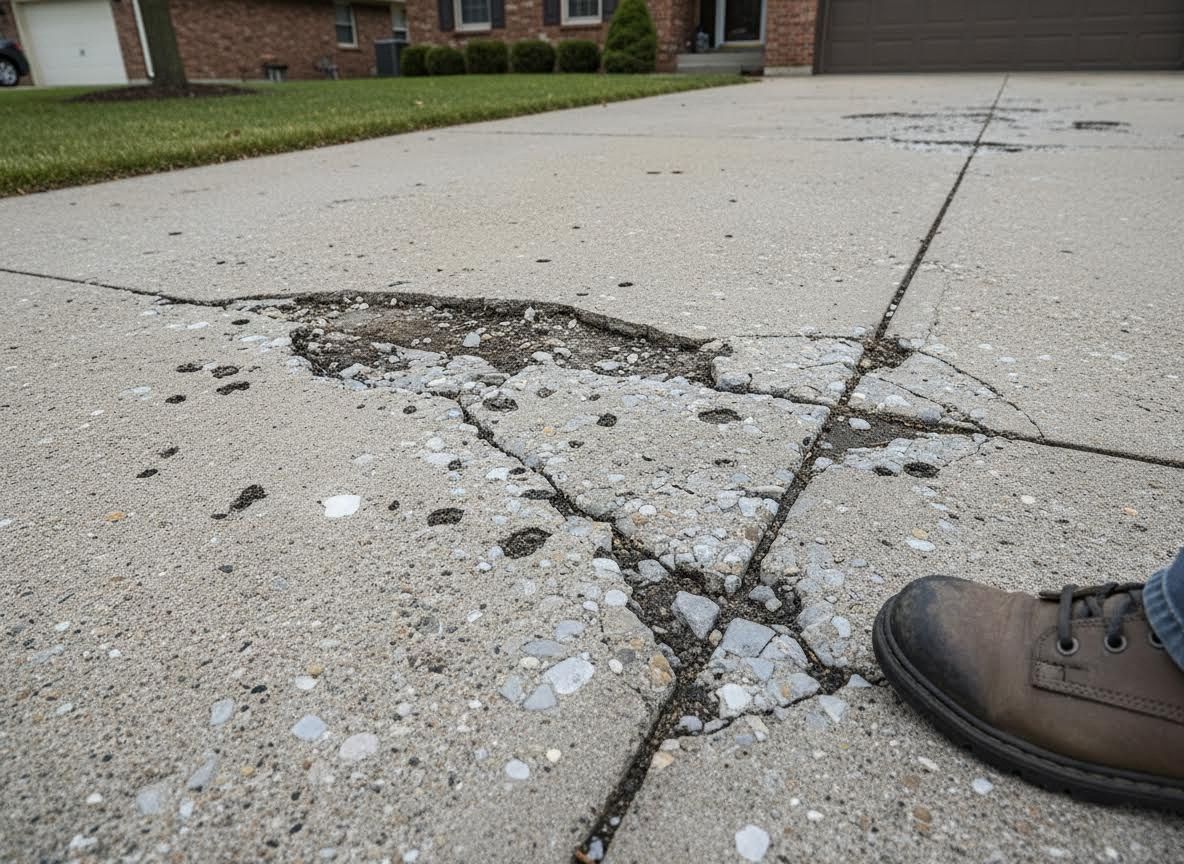
Significant Spalling, Pitting, and Scaling
Spalling refers to the flaking or peeling of the concrete surface, while pitting involves small, crater-like depressions, and scaling is the widespread loss of the top layer of concrete. These issues are often caused by exposure to harsh weather conditions, de-icing salts, or poor-quality concrete mixes. While minor spalling or pitting might be cosmetic, extensive areas of these conditions compromise the integrity and appearance of your driveway. Beyond aesthetics, a severely damaged surface can become rough, uneven, and even dangerous, creating tripping hazards. If large sections of your driveway are experiencing these forms of surface degradation, it's a strong indication that the concrete is beyond simple resurfacing and requires full replacement to restore a safe, durable surface.
Uneven Surfaces and Drainage Issues
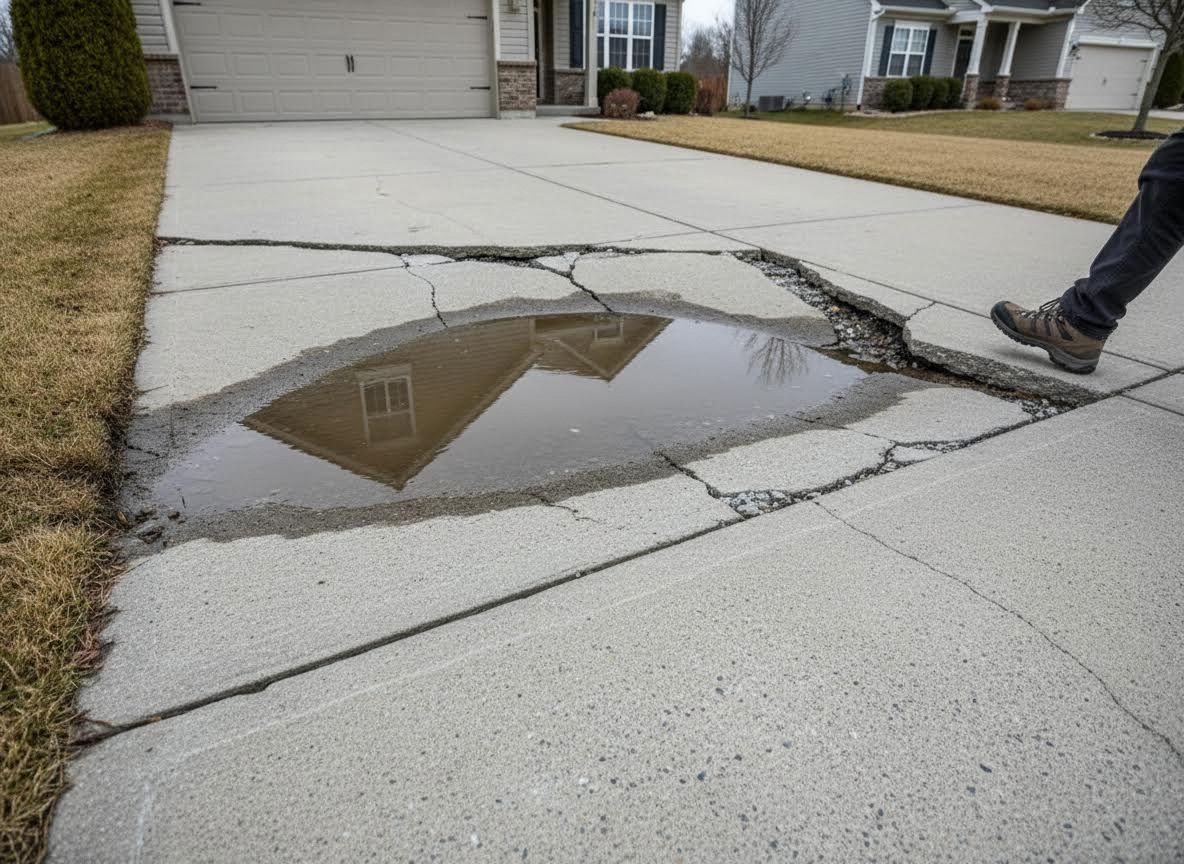
A level driveway is not only crucial for aesthetics but also for proper drainage and safety. If you notice significant sections of your driveway sinking, rising, or becoming noticeably uneven, it's a serious structural concern. This often indicates issues with the sub-base, such as erosion, soil settlement, or poor compaction during initial installation. Uneven surfaces create pooling water, which can further undermine the foundation, lead to additional cracking, and even cause water damage to your home's foundation or landscaping. Moreover, these inconsistencies pose a significant tripping hazard for residents and visitors. When repairs would involve lifting and releveling large sections, often a full replacement is the more reliable and long-lasting solution to prevent ongoing problems and ensure a stable, well-draining surface.
Determining whether to repair or replace a failing driveway can be a complex decision, but recognizing these critical signs can guide you toward the right choice for your property's longevity and safety. Investing in a new concrete driveway addresses the root causes of failure, instantly enhances your curb appeal, and provides lasting financial value. If you're observing these indicators and considering your options, we can help. Contact KLM Construction today for an honest, professional assessment and quality craftsmanship that ensures your Rochester home's foundation—literally and figuratively—is sound.